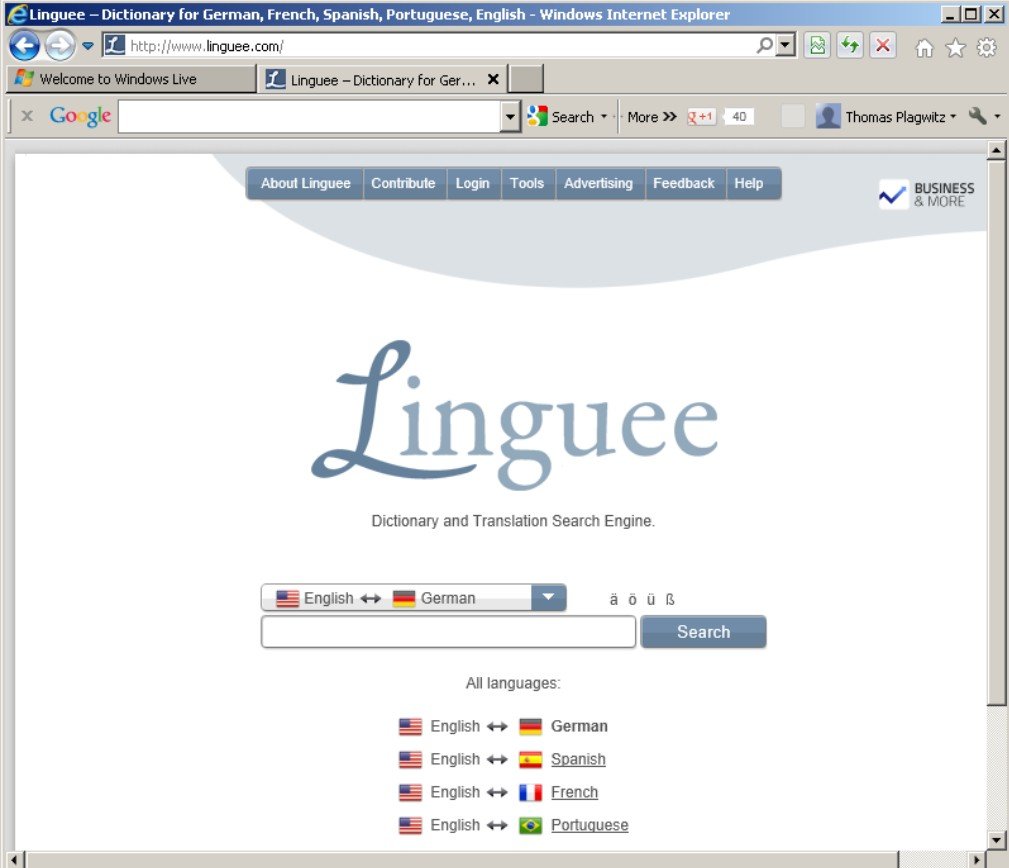
In today’s globalized world, the need for precise and contextually relevant translations has never been more critical. Whether you’re a student, a professional translator, or someone learning a new language, the right translation tools can make a significant difference. One such tool that has gained widespread popularity is Linguee.
In this comprehensive guide, we will explore Linguee, how it works, its features, and how you can make the most of it for your translation needs. Whether you’re translating simple phrases or complex sentences, Linguee offers powerful solutions that make multilingual communication easier and more accurate.
What is Linguee?
Linguee is a unique, multilingual online dictionary and translation tool that stands out from traditional translation services. Unlike many other tools that provide direct translations based solely on word equivalency, Linguee is designed to provide translations in context. It allows users to see not only individual word translations but also entire sentence examples from real-world texts, ensuring that the translation matches the context in which it is used.
Linguee has become a trusted tool for students, professional translators, and even businesses seeking to reach a global audience. The platform covers numerous languages, including English, German, French, Spanish, Italian, Portuguese, and many more. By leveraging a vast database of sentence pairs and examples from high-quality sources, Linguee offers more than just a dictionary—it gives context, which is crucial for accurate translation.
How Does Linguee Work?

Linguee operates differently from other online translators. At its core, it is a combination of a dictionary and a search engine. Here’s how it works:
- Contextual Examples: When you search for a word or phrase, Linguee provides real-world examples from professional sources like websites, documents, books, and legal texts. This gives you the opportunity to see how the word is used in different contexts and helps you understand the nuances of the translation.
- Multilingual Dictionary: For every word you search for, Linguee provides a comprehensive list of translations, along with their meanings and contextual uses. This is extremely helpful for those looking to expand their vocabulary and improve their understanding of the language.
- User-Friendly Interface: The interface is simple and intuitive. You can easily navigate through the different translations, explore synonyms, and understand how the word fits into different contexts.
- Access to Professional Translations: By sourcing examples from professional translators and reputable sources, Linguee ensures that the translations are of high quality. This is especially useful for those who require translations for formal documents, academic work, or business communications.
Also Read: Gonzay Agency in Australia: A Leading Marketing Powerhouse
Key Features of Linguee
Contextual Translations
One of the primary features that sets Linguee apart from other translation tools is its ability to provide contextual translations. Rather than simply offering one-to-one word translations, Linguees shows how a word is used in different sentences, providing examples from real-world texts. This is especially useful when translating idiomatic expressions or words that may have multiple meanings depending on the context.
Extensive Language Database
Linguee supports a wide range of languages, with a focus on European languages such as English, Spanish, French, German, Portuguese, and Italian. The tool continuously updates its database, ensuring that users have access to the latest linguistic developments and expressions in various languages.
Searchable Database of Sentences
Instead of just providing a simple list of word translations, Linguee allows users to search for full sentence examples. This feature is invaluable for those who need to understand how a specific phrase or expression is used in context. This can be particularly helpful when translating complex sentences or texts with specific jargon.
Bilingual Dictionaries
Linguee provides bilingual dictionaries, where users can search for translations between two languages. This is perfect for users who are translating from one language to another and need help finding the most accurate translation for a particular word or phrase.
Regular Updates and Improvements
Linguee continually improves its database to reflect the changing dynamics of language. New words, phrases, and expressions are added regularly to ensure that users have access to up-to-date translation examples. This commitment to keeping the database current makes Linguees a reliable tool for both personal and professional use.
Integration with Deepl
Linguee is also associated with DeepL, a popular neural machine translation service. If you’re looking for even more sophisticated translations, Linguee provides a seamless transition to DeepL, which uses advanced AI to generate more natural-sounding translations.
Also Read: Thealite Contact Us: Your Gateway to Expert Digital Solutions
How to Use Linguee Effectively
Using Linguee is simple and straightforward, but to maximize its benefits, here are some tips on how to get the most out of this powerful tool:
Search for Words and Phrases
Start by entering the word or phrase you need to translate into the search bar. For example, if you’re translating a technical document and need to find the best translation for a specific term, Linguee will show you multiple translations and examples from real-world contexts.
Analyze Contextual Examples
After entering your search term, carefully review the sentence examples provided. This will help you understand how the word or phrase is used in different contexts. Be sure to pay attention to the source of the example, as Linguee pulls from professional texts such as academic papers, websites, and business documents.
Use Synonyms and Related Terms
If you need more options for your translation, Linguee will provide you with related terms and synonyms. This feature helps you expand your vocabulary and ensures that you have multiple ways to express the same idea, which is essential for avoiding repetition in translations.
Leverage Linguee’s Mobile App
Linguee also has a mobile app, which makes it easier to use the tool on the go. Whether you’re traveling or working remotely, you can quickly access translations and examples directly from your smartphone.
Linguee vs. Google Translate: Which One is Better?
Both Linguee and Google Translate are popular translation tools, but they operate in different ways and serve slightly different purposes. Here’s a comparison:
Also Read: Alaikas.com: Unlock the Power of Article Rewriting Tools for Content Success
Google Translate
Google Translate is an automatic machine translation service that uses statistical and neural network-based algorithms to translate text between languages. It’s incredibly fast, free, and works with a broad range of languages. However, it may not always provide accurate or contextually appropriate translations, especially for complex sentences or idiomatic expressions.
Linguee
Linguee, on the other hand, is focused on providing accurate, context-driven translations. It pulls translations from a vast database of high-quality examples, which often results in more precise and nuanced translations. However, it may not be as fast or as flexible as Google Translate when you need quick translations for short phrases.
The Verdict
If you need to understand the meaning of a word or phrase in context, Linguee is the better option. It excels in providing high-quality, context-aware translations. However, for quick and casual translations, Google Translate might be more convenient. Ideally, using both tools in tandem can give you the best results—Google Translate for speed and Linguee for accuracy and context.
Why Linguee Is Essential for Language Learners
For anyone learning a new language, Linguees offers significant advantages over traditional dictionaries and other online tools. Here’s why:
- Learning by Context: One of the most effective ways to learn a language is to understand how words are used in real-world contexts. Linguee’s contextual translations help language learners see words and phrases in action, making it easier to remember and use them correctly.
- Improved Vocabulary: By providing sentence examples, Linguee helps learners expand their vocabulary. Instead of just knowing individual words, learners gain exposure to entire phrases and idiomatic expressions that are commonly used in the target language.
- Aiding Pronunciation: Linguee often includes audio recordings of native speakers pronouncing the words and phrases. This is particularly helpful for learners who want to improve their pronunciation and speaking skills.
- Detailed Grammar Insights: In addition to providing translations, Linguee can also help with grammar. By analyzing sentence structures in the example translations, learners can gain a better understanding of grammar rules and syntax.
Linguee for Professional Translators
Professional translators can also benefit from using Linguee as part of their translation toolkit. The platform’s emphasis on context ensures that translations are accurate and relevant, which is crucial when dealing with technical, legal, or business documents.
By accessing high-quality examples, professional translators can quickly verify the best translation for complex terms and phrases. Moreover, Linguees is often used in combination with other translation tools, such as DeepL, to produce even more refined translations.
Conclusion
Linguee is an invaluable tool for anyone involved in translation—whether you are learning a new language, translating professional documents, or simply seeking accurate translations. By providing contextual examples from real-world sources, Linguee ensures that translations are not only accurate but also natural and appropriate for the intended audience.
With its user-friendly interface, extensive language database, and integration with DeepL, Linguees offers a powerful solution for anyone looking to enhance their multilingual communication skills. Whether you’re a student, a professional translator, or a business looking to expand globally, Linguees is a tool you should consider adding to your language learning or translation toolkit.
Frequently Asked Questions (FAQs)
1. Is Linguee free to use?
Yes, Linguee is completely free to use for anyone who wants access to its translation database.
2. How accurate are Linguee’s translations?
Linguee offers highly accurate translations because it provides contextual examples from reputable sources. However, it’s always important to review the sentence examples and choose the one that best fits your needs.
3. Can I use Linguee for all languages?
Linguee supports a wide range of languages, including many European and some Asian languages. However, it may not have the same level of coverage for every language pair.
4. Can I use Linguee on mobile devices?
Yes, Linguee offers a mobile app that allows you to use the tool on your smartphone or tablet.
5. How is Linguees different from Google Translate?
Linguees provides contextual translations and examples, making it more accurate for complex phrases. Google Translate is better for quick translations but may not always provide context.